
Introduction to Morocco’s Cities
Morocco, located in North Africa, is a country renowned for its rich cultural heritage and geographical diversity. Bordered by both the Atlantic Ocean and the Mediterranean Sea, it offers a unique blend of coastal landscapes, the rugged Atlas Mountains, and vast stretches of desert. This geographical variety plays a significant role in shaping the distinct characteristics of its cities, which reflect a tapestry of cultures and histories.
The historical significance of Morocco cannot be overstated. The country has served as a crossroads for various civilizations, including the Berbers, Arabs, and French, each leaving an indelible mark on the social fabric and urban architecture. Cities like Marrakech, Fes, and Casablanca embody these diverse influences, showcasing a mixture of traditional Moroccan design with modern development. Each city stands as a testament to the country’s evolution over centuries, making them fascinating destinations for both residents and travelers.
The cultural richness of Morocco is another critical aspect that enhances its cities. Festivals, arts, cuisines, and local crafts create a vibrant atmosphere that engages visitors. The bustling markets, known as souks, are filled with myriad colors and sounds, offering everything from spices to handcrafted goods, providing insight into the daily life of Moroccans. Furthermore, Morocco’s cities are often characterized by their unique architectural styles, which range from the intricate tile work of the medinas to the contemporary designs found in urban areas.
As we explore Morocco’s cities in subsequent sections, it will become evident that each locale holds its own charm and significance. The interplay of history, culture, and geography renders Morocco’s urban landscapes not just places to visit but experiences that enrich understanding of this fascinating country.
Casablanca: The Economic Heart
Casablanca stands as Morocco’s largest city, representing the nation’s economic heartbeat. With a population exceeding three million, it plays a pivotal role in the country’s economic development, functioning as a major business hub. The city’s strategic location along the Atlantic coast facilitates extensive trade both during historical times and today, emphasizing its significance in the regional and global contexts.
The historical backdrop of Casablanca is enriched by its colonial past, particularly during the French protectorate. This era contributed significantly to the city’s architectural evolution, resulting in an eclectic mix of modern and traditional styles. Noteworthy structures, such as the striking Hassan II Mosque, epitomize the cultural and religious heritage that permeates the city. Completed in 1993, the mosque is one of the largest in the world and showcases intricate craftsmanship, attracting visitors from around the globe.
In addition to its architectural marvels, Casablanca is renowned for its vibrant nightlife and diverse culinary scene. The city’s Corniche, a bustling waterfront area, offers a plethora of restaurants and cafes where locals and tourists gather to enjoy Mediterranean cuisine and socialize. This lively atmosphere underscores the city’s modern lifestyle while maintaining a connection to its rich history. As the centerpiece of commerce, Casablanca also houses various industries, including finance, manufacturing, and technology, contributing to its status as the economic capital of Morocco.
Ultimately, Casablanca represents a unique blend of tradition and modernity, making it an essential city in any exploration of Morocco. From its historical significance to its vibrant cultural attractions, Casablanca embodies the diverse and dynamic nature of contemporary Moroccan society.
Marrakech: The Red City
Marrakech, often referred to as the Red City due to its distinct terracotta buildings and vibrant atmosphere, stands as one of Morocco’s most captivating destinations. This city, rich in history and culture, has long been a vital hub in the region, attracting visitors with its unique blend of tradition and modernity.
The historical significance of Marrakech is embodied in remarkable sites such as the Koutoubia Mosque, the largest mosque in the city, completed in the 12th century. Its minaret, rising to 77 meters, is a prominent feature of the city’s skyline and serves as a symbol of Marrakech’s architectural prowess and cultural identity. The mosque’s intricate designs and regal stature reflect the artistry of Moorish architecture, drawing visitors not only for its religious importance but also for its aesthetic value.
Another centerpiece of Marrakech is the bustling Jemaa el-Fnaa square, often heralded as the heart of the city. This lively marketplace transcends ordinary shopping experiences; it transforms throughout the day and night into a captivating spectacle of street performers, traditional musicians, and food vendors offering a tantalizing array of Moroccan delicacies. The square’s dynamic atmosphere and the array of sensory experiences it offers provide a unique insight into Moroccan culture and way of life.
Marrakech’s allure continues with its world-famous souks, narrow alleyways filled with artisanal shops, where visitors can find exquisite handicrafts, textiles, and spices. Wandering through the colorful stalls, one can witness local artisans mastering their crafts, which fosters a genuine connection to the city’s rich traditions. The gardens of Marrakech, such as the Majorelle Garden, further enhance the city’s appeal, offering serene spaces filled with exotic plants and vibrant colors, a peaceful retreat from the bustling streets.
In essence, Marrakech serves not just as a historical marvel but as an embodiment of Morocco’s rich heritage and vibrant life. Its myriad attractions and cultural experiences make it a must-visit destination for those on a journey through the diverse cities of Morocco.
Fes: The Cultural Capital
Fes, one of Morocco’s most enchanting cities, is often regarded as the cultural capital of the country. This designation is primarily attributed to its rich heritage, vibrant arts scene, and educational institutions. The city is home to the ancient medina of Fes el-Bali, a UNESCO World Heritage site that showcases an intricate maze of narrow streets, marketplaces, and historical monuments.
Fes el-Bali is not only the oldest part of the city but also a treasure trove of Moroccan history and culture. The medina served as the hub of the city’s intellectual life, where scholars and artisans thrived and contributed to Fes’s reputation as a center of education. It is here that the renowned University of Al Quaraouiyine is located. Established in 859 AD, it is recognized by UNESCO as the oldest existing degree-granting university in the world.
The university has played a pivotal role in fostering scholarly pursuits and attracting students from across the globe, contributing significantly to Fes’s status as a prestigious city of knowledge. Visitors to the university can appreciate its stunning architecture and serene atmosphere, providing a glimpse into the intellectual heritage that continues to thrive in Fes.
Moreover, the cultural capital of Fes is evident not only in its educational institutions but also in its vibrant festivals and arts. Events such as the Fes Festival of World Sacred Music highlight the city’s importance as a cultural nexus, where various forms of music, art, and spirituality converge.
Thus, Fes stands as a symbol of Morocco’s rich cultural tapestry, attracting those who are eager to immerse themselves in its historical significance and contemporary vibrancy. As such, exploring Fes el-Bali offers an unparalleled insight into the heart of Moroccan culture and heritage.
Rabat: The Political Capital
Rabat, the capital of Morocco, emerges as a symbol of the country’s political heritage and cultural evolution. Distinct from the bustling streets of Marrakech or the coastal charm of Essaouira, this city serves as the administrative heart of Morocco, showcasing an intriguing mix of modernity and rich history.
One of the city’s most significant landmarks is the Royal Palace, or Dar al-Makhzen, which stands as a testament to Morocco’s monarchy and architectural prowess. Surrounded by lush gardens and intricate gates, the palace remains an active residence for the king, highlighting the country’s royal traditions. Visitors can admire the exquisite architecture but are often reminded of its privacy, as guided tours of the interior are not available.
Another notable site is the Hassan Tower, a minaret that was commissioned in the 12th century. Originally intended to be part of a grand mosque, the incomplete tower today serves as a symbol of Rabat’s historical significance. Standing at 44 meters high, it provides a glimpse into the architectural ambitions of the Almohad dynasty. The adjoining Mausoleum of Mohammed V, which houses the tombs of the Moroccan king and his sons, further emphasizes the city’s role as a center of power and respect for the monarchy.
Rabat also encapsulates a vibrant contemporary scene, with new markets, art galleries, and cafés blending seamlessly into its historical backdrop. This unique urban tapestry makes Rabat an essential destination when exploring the multifaceted identity of Morocco. The city’s commitment to preserving its historical roots while embracing modernity places it as a significant point of interest in the narrative of Morocco’s evolution.
Tangier: The Gateway to Africa
Tangier is a coastal city nestled in the northern part of Morocco, serving as a vibrant gateway to Africa and a historical crossroads of cultures. Its location at the meeting point of the Mediterranean Sea and the Atlantic Ocean has endowed it with a rich tapestry of influences from various civilizations throughout history. This city not only boasts stunning landscapes but also a profound cultural heritage, making it an enticing destination for visitors.
The medina of Tangier is a maze of narrow streets lined with white-washed buildings, vibrant shops, and inviting cafes. As one strolls through its alleys, the atmosphere is filled with the aroma of traditional Moroccan cuisine and the sounds of local artisans crafting their wares. The medina is a testament to Tangier’s historical significance, with its architectural styles reflecting a blend of Moorish, Spanish, and French influences, which showcase the city’s multicultural past.
Another historical highlight is the Kasbah, a fortress situated on a hill overlooking the medina and the harbor. Originally built for defense, the Kasbah now stands as a monument to Tangier’s dynamic history. Visitors can explore its well-preserved walls and narrow passages, offering breathtaking panoramic views of the surrounding areas. The Kasbah also houses museums, including the Museum of Moroccan Arts, where one can admire an extensive collection of artifacts that tell the story of Tangier’s historical evolution.
Throughout the years, Tangier has attracted a host of notable artists, writers, and intellectuals, such as Henri Matisse and William S. Burroughs, drawn by its unique charm and inspirational landscapes. This legacy of creativity continues to permeate the city, making it a place where art and culture thrive. The blend of its historical richness, artistic heritage, and captivating sights undeniably positions Tangier as a dynamic gateway to the African continent.
Essaouira: The Coastal Gem
Essaouira, often referred to as the “coastal gem” of Morocco, is a city that captivates visitors with its stunning beaches, historic medina, and vibrant arts scene. Nestled along the Atlantic coast, Essaouira boasts a unique blend of Moroccan and Portuguese influences, making it a fascinating destination for those seeking culture and relaxation.
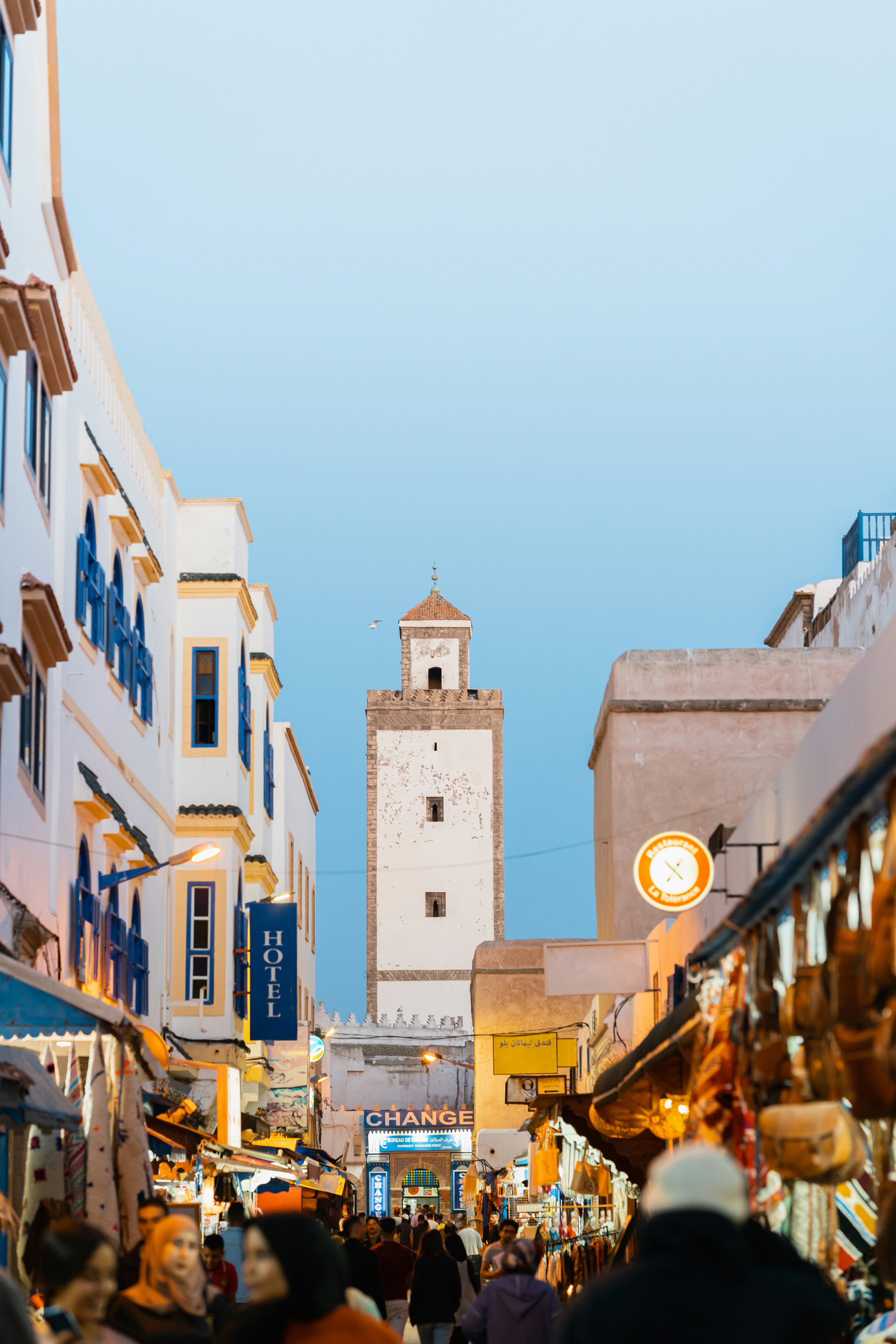
The city’s medina, a UNESCO World Heritage site, is characterized by its whitewashed buildings and blue shutters, which contrast beautifully with the striking essence of the ocean. Wandering through the narrow streets, one can discover local artisans crafting unique products, from intricate woodwork to vibrant textiles. The medina’s vibrant markets offer a range of traditional Moroccan handicrafts, attracting both locals and tourists alike.
Essaouira’s coastline is famed for its wide, sandy beaches that provide an idyllic setting for sunbathing and water sports. Windsurfing and kitesurfing are particularly popular in this region, thanks to the consistent winds that appeal to adventure seekers. The beach is also dotted with cafes and restaurants, where visitors can enjoy fresh seafood while soaking up the picturesque views of the Atlantic Ocean.
Additionally, Essaouira hosts annual music festivals, including the celebrated Gnaoua World Music Festival. These festivals draw international crowds and feature a rich lineup of local and international artists. The energetic atmosphere and diverse genres create a vibrant cultural experience, further solidifying Essaouira’s status as a cultural hotspot in Morocco.
In essence, Essaouira offers a captivating combination of history, culture, and natural beauty, making it an essential part of any journey through Morocco. Visitors leave with cherished memories of its enchanting medina, scenic beaches, and dynamic arts scene, forever recognizing Essaouira as a remarkable coastal destination.
Agadir: The Beach Resort City
Agadir, located on Morocco’s southwestern coast along the Atlantic Ocean, has emerged as a premier beach resort city, drawing both local and international tourists with its appealing blend of natural beauty and modern amenities. Renowned for its extensive sandy beaches, Agadir offers a unique coastal lifestyle that emphasizes leisure and relaxation. Following the devastating earthquake in 1960, which destroyed much of the original city, Agadir underwent a significant reconstruction process. This transformation has resulted in a vibrant destination characterized by contemporary architecture and well-planned infrastructure, making it an attractive spot for vacationers.
The city is well-known for its beautiful beaches, where sunbathing, swimming, and various water sports are popular activities. Visitors often find joy in spending their days soaking up the sun on Agadir’s wide expanses of golden sand, which stretches along the coast. Many beachfront resorts offer luxurious amenities and recreational options, elevating the experience for holidaymakers. Alongside the beach, Agadir is surrounded by the foothills of the Atlas Mountains, providing a stunning backdrop that enhances its scenery and appeals to nature enthusiasts.
Agadir’s evolution into a key tourist destination is marked by the development of extensive leisure facilities, including golf courses, spas, and various cultural attractions, ensuring there is something for everyone. The city’s promenade is lined with shops, restaurants, and cafes serving local and international cuisine, allowing visitors to indulge in culinary delights while enjoying picturesque views of the ocean. As a favored retreat for families and couples alike, Agadir exemplifies Morocco’s commitment to providing an exceptional travel experience with its hospitable atmosphere and enticing offerings.
Conclusion: The Diversity of Moroccan Cities
Morocco is a country characterized by a multifaceted cultural heritage, which is vividly reflected in its diverse cities. Each urban center in Morocco showcases its own unique blend of history, architecture, and traditions, contributing to the overall identity of the nation. From the bustling souks of Marrakech to the serene coastal scenery of Essaouira, every city offers distinct experiences that appeal to various interests and backgrounds.
For example, Fez is renowned for its ancient medina, a UNESCO World Heritage site, laden with narrow streets that whisper tales from the past. The city’s rich educational resources, particularly the Al Quaraouiyine University, further bolster its status as a hub of intellectualism in the Arab world. Meanwhile, Casablanca serves as a modern metropolis where contemporary life blends seamlessly with historical influences, embodying the spirit of progressiveness in Moroccan society.
The visual splendor of each city enhances the Moroccan experience. The stunning blue-washed buildings of Chefchaouen contrast starkly with the red-hued structures found in the heart of Marrakech. Such diversity in architecture and landscape invites exploration, encouraging travelers to immerse themselves in the local cultures and traditions. Moreover, this variation extends beyond aesthetics; culinary experiences flourish in each region, allowing visitors to indulge in the rich flavors and aromas that define Moroccan cuisine.
As highlighted, the cities of Morocco, each with its own historical narrative and vibrancy, engage the senses and invite deeper understanding. Therefore, it is highly encouraged for readers to take the opportunity to explore these urban centers. Embracing the diversity found within Morocco’s cities will not only deepen appreciation for the country’s cultural significance but also inspire greater connection to its enduring legacy.